
A straighter smile is not only about appearance. Proper tooth alignment can also make it easier to maintain good oral hygiene and may contribute to improved bite function. Clear aligners have become a popular orthodontic treatment option for people looking to straighten their teeth without traditional metal braces.
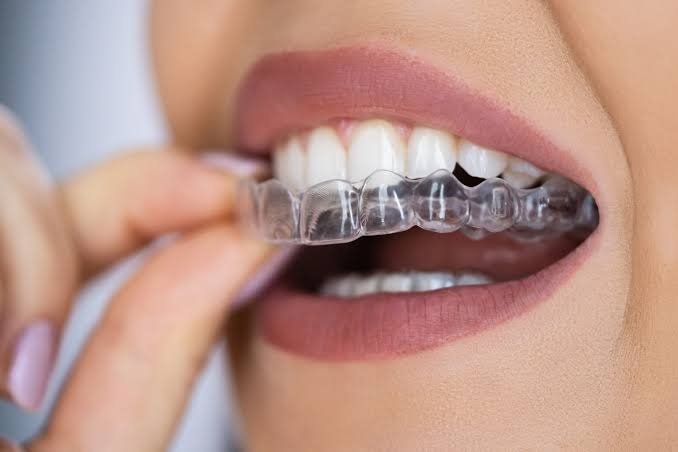
Clear aligners are a series of removable, custom-made trays designed to gradually move teeth into more desirable positions. Each aligner applies gentle, controlled pressure to specific teeth according to an individually planned treatment sequence.
Unlike traditional braces, clear aligners do not use metal brackets and wires, making them a discreet option for many teenagers and adults.
What Are Clear Aligners?
Clear aligners are orthodontic trays made from transparent, medical-grade plastic. They are custom-designed to fit the patient’s teeth and are replaced periodically as treatment progresses.
Modern clear aligner treatment typically uses digital scanning and computer-assisted treatment planning to map the anticipated movement of the teeth.
Key features of clear aligners include:
- Virtually invisible appearance
- Removable design
- Customised fit
- No metal brackets or wires
- Easier access for brushing and flossing
- Digital treatment planning
Patients generally need to wear their aligners for approximately 20–22 hours per day, removing them primarily for eating, drinking anything other than water, and oral hygiene.
What Can Clear Aligners Treat?
Clear aligners can address a range of mild to moderate orthodontic concerns. Depending on the individual case, treatment may help correct:
- Gaps between teeth
- Crowded teeth
- Overlapping teeth
- Crooked teeth
- Certain overbite problems
- Certain underbite problems
- Some crossbite issues
However, not every orthodontic problem can be treated effectively with clear aligners. More complex cases may require traditional braces or another form of orthodontic treatment.
A professional dental or orthodontic assessment is necessary to determine the most appropriate treatment option.
How Long Does Clear Aligner Treatment Take?
Treatment duration varies from person to person. The length of treatment depends on factors such as the degree of tooth movement required, the complexity of the bite, the patient’s age, and how consistently the aligners are worn.
Some minor alignment corrections may take only a few months, while more complex cases can take considerably longer.
Many treatment plans fall within a range of approximately 6 to 18 months, although individual treatment times can vary.
Following the recommended wearing schedule is important for keeping treatment on track.
How Does Clear Aligner Treatment Work?
Clear aligner treatment generally follows several stages.
1. Initial Consultation
The dentist or orthodontist examines the teeth, gums, bite, and overall oral health. Treatment goals and potential options are discussed.
2. Digital Scanning
A digital scan may be used to create a detailed three-dimensional model of the teeth. This information helps the dental professional develop an individualised treatment plan.
3. Custom Aligner Series
A series of custom-made aligners is produced based on the planned tooth movements. Each aligner is designed to move the teeth gradually toward their planned positions.
4. Wearing the Aligners
Patients typically wear their aligners for around 20–22 hours each day. The trays are usually changed according to the treatment schedule provided by the dental professional.
5. Progress Appointments
Regular check-ups allow the dentist or orthodontist to monitor tooth movement and determine whether treatment is progressing as planned.
6. Retention
Once active orthodontic treatment is complete, retainers are generally recommended to help maintain the new position of the teeth.
Retention is an important part of orthodontic treatment because teeth can naturally shift over time.
Are Clear Aligners Comfortable?
Clear aligners are generally considered comfortable for many patients. However, some pressure, tightness, or mild discomfort can occur when starting a new aligner.
This sensation is usually associated with the controlled pressure needed to move the teeth. Unlike traditional braces, clear aligners do not have metal brackets or wires that can rub against the inside of the cheeks and lips.
If significant or persistent discomfort occurs, patients should contact their dental professional.
Are Clear Aligners Easy to Maintain?
One of the main advantages of removable aligners is that they can be taken out during meals and oral hygiene routines.
Good oral hygiene during clear aligner treatment is particularly important because food particles and plaque can become trapped around the teeth if proper cleaning is neglected.
Patients should:
- Brush their teeth regularly with fluoride toothpaste.
- Clean between their teeth daily.
- Clean aligners according to professional instructions.
- Remove aligners before eating.
- Avoid drinking sugary or coloured beverages while wearing aligners.
- Store aligners safely when they are removed.
Following these habits can help reduce the risk of tooth decay, gum problems, and unpleasant odours during treatment.
Are Clear Aligners Suitable for Adults and Teenagers?
Clear aligners may be suitable for both adults and teenagers, depending on their dental development and orthodontic needs.
Adults often choose clear orthodontic aligners because they are discreet and removable, while teenagers may appreciate the flexibility they provide compared with traditional braces.
However, suitability cannot be determined by age alone. A dental professional needs to assess the teeth, gums, bite, and overall oral health before recommending treatment.
Are Clear Aligners Better Than Braces?
There is no single orthodontic treatment that is best for everyone.
Clear aligners may be preferable for people who value a discreet appearance, removable appliances, and easier access to their teeth during brushing and flossing.
Traditional braces, however, may be more appropriate for certain complex tooth movements or significant bite corrections.
The decision should be based on the patient’s individual dental condition and the recommendation of a qualified dental professional.
What Happens After Clear Aligner Treatment?
Completing the final aligner does not necessarily mean orthodontic treatment is finished. Teeth can gradually move after treatment, which is why retainers after clear aligner treatment are generally recommended.
Retainers help maintain the position achieved during orthodontic treatment. The type of retainer and recommended wearing schedule will depend on the individual’s treatment plan.
Consistent retainer use can play an important role in maintaining a straighter smile over the long term.
Conclusion
Clear aligners offer a discreet and removable approach to orthodontic treatment and can be an effective option for many people with mild to moderate tooth alignment and bite concerns.
Their benefits include a virtually invisible appearance, convenient removal, and easier access to the teeth for daily oral hygiene. However, they are not suitable for every orthodontic condition.
A professional dental assessment is the best way to determine whether clear aligners are appropriate for your individual needs. With proper treatment planning, consistent aligner wear, good oral hygiene, and appropriate retention, clear aligners can help achieve and maintain a healthier, straighter smile.
Frequently Asked Questions
1. Does clear aligner treatment hurt?
Some pressure or mild discomfort is common when starting a new aligner. This generally occurs because the trays are applying controlled forces to move the teeth.
2. Can I eat while wearing clear aligners?
Aligners should generally be removed before eating. They should also be removed when drinking anything other than water unless your dental professional provides different instructions.
3. How often should I visit the dentist during clear aligner treatment?
The frequency of appointments varies depending on the treatment plan. Many patients have progress appointments every several weeks so their dental professional can monitor tooth movement.
4. Can teenagers use clear aligners?
Yes, clear aligners can be suitable for some teenagers. Suitability depends on dental development, the complexity of the alignment problem, and the patient’s ability to follow the recommended wearing schedule.
5. How many hours a day should clear aligners be worn?
Most treatment plans recommend wearing clear aligners for approximately 20–22 hours per day. Following the prescribed schedule is important for achieving the planned tooth movements.
6. Do I need retainers after clear aligner treatment?
In most cases, retention is an important part of maintaining the results of orthodontic treatment. A dental professional can recommend the appropriate type of retainer and wearing schedule.